


from our family to yours.
We're Emily and Jacob Sherwood. We tend to our two children and 17 acres on a hilltop in Alstead, New Hampshire. We are a whole-diet community farm; we grow proteins, produce, dairy, and grains for our neighborhood, with a focus on local calories year-round.
We minimize off-farm & fossil fuel inputs.
No single-use plastic packaging. Ever.
We model a resilient, climate-responsive farm.
We are small, flexible and adaptable.
We steward conserved land & invite public access.
All are welcome. Always.
We produce accessible, affordable, tasty food.
Kids love our vegetables.
We farm for the future.
our products

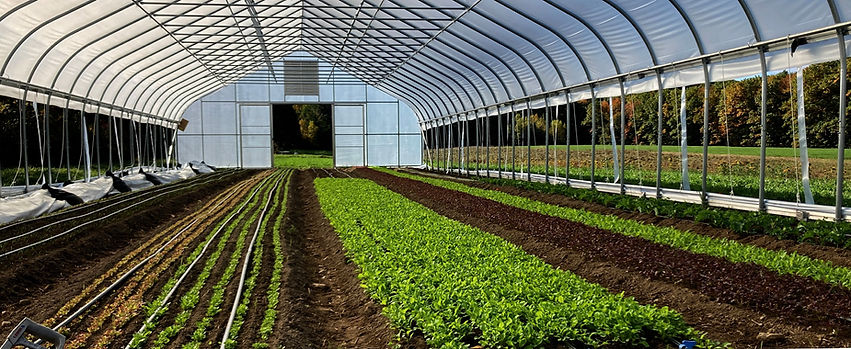
We grow vegetables with a focus on flavor. We highlight the best of each season, including year-round production of salad greens from our high tunnels.

We raise grass-fed lamb & beef and pasture-raised pork and poultry, available to purchase as whole or half animals. Meat is not a part of our CSA, and requires a down payment in spring for a fall harvest.

We milk cows, sheep and goats, and distribute dairy products through our CSA.

We grow specialty crops including small grains and dry beans to expand local food availability through the winter months.

Join us in becoming a farm member!
We prioritize local food access for all, regardless of ability to pay.
Farm products are shared amongst farm members according to need, not financial contribution. We currently provide year-round food to 20 local households.
Supporting members make a financial pledge to the farm without the direct benefit of food. These members support food access for all and the ecosystem benefits of stewarding the commons.
share our table!
what makes us different:
Our farm focuses on whole-diet production. This diversity allows us to be resilient; with a mixture of plants and animals, we always have an abundance of food available, despite fluctuations in weather, season, or the market. We grow for our neighbors, with a focus on accessibility and affordability.
We care for the soil, water, sunlight, and biodiversity that sustains the farm's system. We minimize inputs that are imported, believing that the farm system should be able to sustain its own fertility. We believe that this is a model for sustainable local food. While some may call this regenerative agriculture, we think of it as farming for the future.
